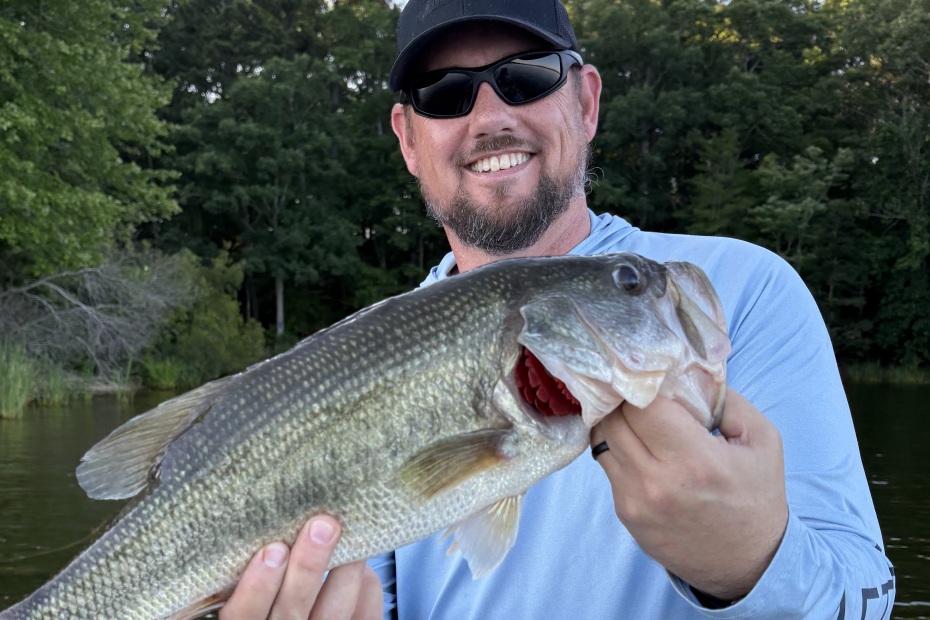
I don’t know about you but on a scorching summer day, I am not really in the mood for a heavy meal and a sprint. I want something light to eat and to be moving at a slow pace. Bass are pretty much the same. Their metabolism, how active they are, and even their willingness to chase a lure are all tied directly to water temperature. As cold-blooded creatures, bass are completely controlled by the water around them. It dictates their mood, where they hang out, and what they’re willing to bite. So, if you want to make more casts to where the bass are rather than just randomly casting and beating a bank, it is crucial to understand how water temperature affects their activity and movement.
Bass Biology
In order to comprehend the influence of water temperature on bass fishing, it’s essential to understand a little about bass biology. As the water temperature changes, so does the bass’s metabolism. Warmer water speeds up their metabolism, leading to increased activity and a higher demand for food. Conversely, cold water slows down their metabolism. The “Sweet Spot” for bass is generally between 60°F and 80°F (15°C to 27°C). This is when their metabolism is cranking, they’re actively feeding, and they’re more aggressive. How do they act outside that range? We’ve broken down the year below into key temperature ranges to help you understand what the bass are doing and, more importantly, how you should be fishing for them.
Cold Water: Below 50°F
- What Bass Are Doing: When the water gets chilly, bass slow way down. Their metabolism drops, and they become pretty sluggish, often heading to deeper, more stable water where the temperature doesn’t fluctuate as much. They’ll still eat, but they want an easy meal. You need to be thinking super slow for your presentation and they are typically in deeper water.
- Lures: I reach for jigs with big, bulky trailers, slow-rolled spinnerbaits, suspending jerkbaits (give them loooong pauses!), and finesse options like a shaky head or dropshot.
- Technique: Work your baits painfully slow with long pauses. Focus on deeper structures like channel swings, rock piles, and submerged timber. If you can find any areas with slightly warmer water – like dark bottom areas that absorb sunlight – bass will gravitate there.
The Pre-Spawn: 50°F – 60°F
- What Bass Are Doing: This is when things start to get exciting! As the water warms, bass start to shake off the winter blues. They move out of their deep-water haunts and begin migrating towards shallower spawning areas. They’re on the hunt for food, bulking up for the spawn, and often very aggressive.
- Lures: Crankbaits (especially in crawfish patterns), lipless crankbaits, spinnerbaits, and chatterbaits are my good for covering water. You can even get a topwater bite on sunny afternoons toward the higher end of this range. Jigs and Texas-rigged plastics are also great for picking apart cover.
- Technique: Look for those transition areas where deep water meets shallow flats. Bass will stage on points, humps, and submerged cover leading into spawning coves. Don’t be afraid to cover lots of water with moving baits to find those active fish.
The Spawn: 60°F – 75°F
- What Bass Are Doing: This is prime time for catching bass! They’ll move onto beds in shallow, protected areas to lay and guard their eggs. Male bass become super aggressive, defending their nests from anything that gets too close.
- Lures: Soft plastics like lizards, worms, and creature baits pitched directly onto beds work well. Anything that looks like a natural predator to bass is money this time of year. Topwater baits like buzzbaits and frogs can also draw some explosive, territorial strikes.
- Technique: If the water’s clear, you can often spot the beds. In stained water, focus on classic bedding areas like shallow flats, protected coves, and around docks or dense vegetation. Remember, catch and release is key during this sensitive time to protect the next generation of bass.
Summer Heat & Post-Spawn Recovery: 75°F+
- What Bass Are Doing: After the energy drain of spawning, bass can be a bit sluggish for a bit. As summer kicks in and water temperatures really climb, bass will look for cooler, more oxygenated water. This means moving deeper or finding shade and thick cover. They’ll feed more actively during the cooler parts of the day.
- Lures: Topwater early and late in the day is a blast! Otherwise, I’m reaching for deep-diving crankbaits, jigs, Carolina rigs, and drop shots for those deeper fish. Flipping and pitching soft plastics into heavy cover (docks, lily pads, matted grass, submerged trees) where bass are escaping the sun is also super effective.
- Technique: Focus on main lake points, ledges, humps, and brush piles in deeper water. Any form of shade – docks, overhanging trees, or thick mats of vegetation – will hold fish during the day.
5. Fall Feed & Turnover: 70°F – 55°F
- What Bass Are Doing: As the days get shorter and water temperatures start to drop, bass go on a feeding frenzy to bulk up for winter. This “fall feed” can lead to some incredible days on the water! They’ll follow the baitfish as they move shallow.
- Lures: Crankbaits (especially those that imitate shad or other baitfish), lipless crankbaits, spinnerbaits, buzzbaits, jerkbaits, and swimbaits are all excellent choices for covering water.
- Technique: The golden rule here is: find the baitfish, and you’ll find the bass! They’ll be right there with them. Cover lots of water, focusing on main lake points, creek channels, and the backs of coves where baitfish love to hang out.
Don’t Leave Home Without It!
Water bodies are not uniform in temperature, and certain areas within a lake or river may have different temperatures due to factors like depth, structure, and currents. Using a fish finder and paying attention to temperature variations can help you pinpoint the ideal zones where bass are likely to congregate. Seriously, if your depth finder has a water temperature sensor, use it! It’s an invaluable tool. Even a difference of a few degrees can completely change where the bass are holding and what they’re willing to bite. So, the next time you’re heading out, take a moment to check that water temperature. Use this guide to fine-tune your approach, and we promise you, you’ll start catching more bass.